


 Send Inquiry Now
Send Message
Privacy statement: Your privacy is very important to Us. Our company promises not to disclose your personal information to any external company with out your explicit permission.

|
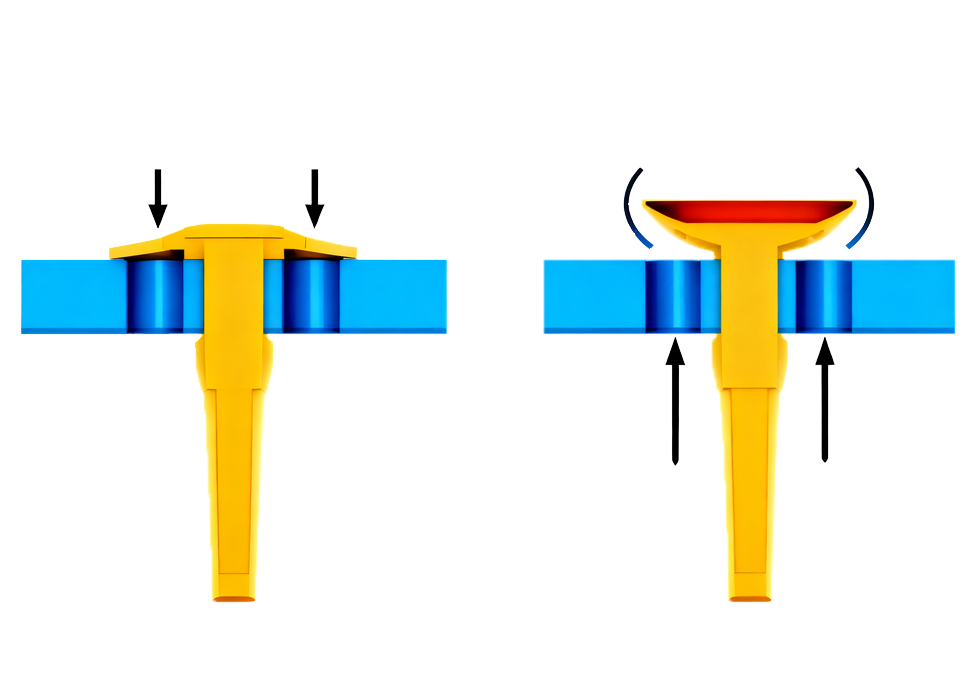
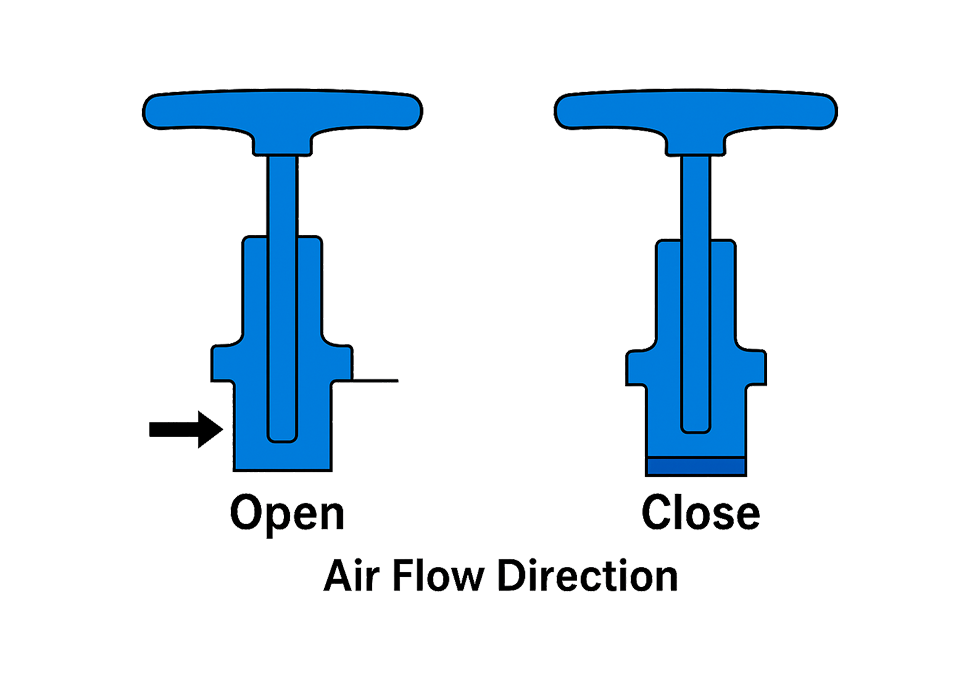
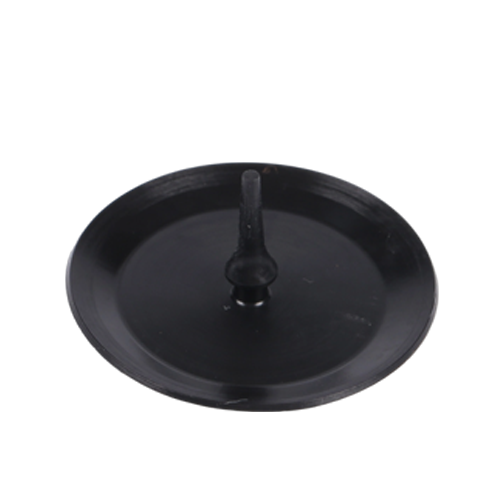
Precision One-Way Control for Pumps, Medical & Automation Equipment.The umbrella valve is a critical component used in fluid transport and one-way control systems, including micro pumps, solenoid valves, medical infusion devices, automotive systems, and industrial automation.It enables unidirectional flow and pressure stabilization through its own flexible opening–closing structure.
Its performance directly determines three core aspects:
1.Sealing Reliability:Prevents reverse leakage and maintains precise fluid delivery.
2.Stable Flow&Pressure Control:Proper hardness and elasticity ensure smooth opening and closing with minimal fluctuations.
3.Lower Equipment Maintenance Costs:High-quality umbrella valves resist deformation and wear, reducing replacement frequency and keeping systems running efficiently.
|
 |
|
Common Problems with Umbrella Valves
Umbrella valves frequently encounter both assembly issues and functional performance issues, which can directly affect equipment efficiency and reliability.
|
 |
1.Automatic Assembly Problems
Column deformation:Misalignment during assembly results in poor fitting, functional instability, and increased rework costs.
Column breakage:Breakage interrupts assembly, raises scrap rates, and broken fragments may contaminate production lines.
Column too short to be gripped:Automatic equipment fails to pick up or fix the part, requiring manual intervention and slowing production.
Product adhesion:Valves stick together after molding, causing pick-and-place failures, sorting issues, and potential product damage.
?
2.Functional Issues During Use
Excessive or insufficient flow:Inaccurate fluid delivery in medical infusion or industrial dosing leads to performance deviation or process failure.
High operating noise:Abnormal friction or structural defects generate noise, indicating hidden reliability risks.
Material swelling:Medium penetration causes dimensional change, poor sealing, jamming, or leakage.
Deformation without rebound:Loss of elasticity prevents proper one-way flow control, leading to valve failure and equipment shutdown.
|
|
The cause of the problem?
From the three dimensions of product design, material properties, and production processes, the root cause of the problem can be precisely located
|
|
Problems typically originate from design, material, and process control:Automatic Assembly Issues:Deformation / breakage / insufficient column height→ Caused by incorrect molding parameters, design deviation, insufficient material strength, or mismatch with automation settings.Product adhesion→ Inappropriate surface texture or insufficient surface treatment.
Functional Issues:Flow deviation→ Hardness mismatch, insufficient material strength, or inconsistent molding/vulcanization parameters.High noise→ Excessive wall thickness, low hardness, or plastic-part dimensional variation causing friction.Swelling→ Non-compatible rubber formula that reacts with the working medium.No rebound→ Poor elastic recovery due to material property limitations or structural design flaws.
|
|
DOIT's solution
DOIT provides targeted engineering solutions from three dimensions: design, materials, and process control.
|
|
1.Automatic Assembly Solutions:Correct column dimensions based on deformation or breakage points.Adjust injection/pressure/cooling parameters to improve structural strength.Redesign surface texture or apply anti-adhesion surface treatment.Calibrate automation equipment parameters for full compatibility.
?
2.Flow Accuracy Solutions:Adjust hardness according to actual flow test results to ensure accurate delivery.Implement full-process parameter control to minimize vulcanization/molding variations and maintain batch consistency.
?
3.Noise Reduction Solutions:Reduce wall thickness through structural optimization.Increase material hardness or correct plastic-part tolerances to remove friction.
?
4.Anti-Swelling Solutions:Evaluate the medium and replace with a dissolution-resistant, low-permeability rubber formula.
?
5.Elastic Recovery Solutions:Increase hardness and improve formula elasticity.Use dynamic monitoring to analyze diaphragm movement and adjust plastic swing-frame design to reduce deformation loss.
?
Environmental Compliance:For medical/food-grade applications, DOIT provides formulas meeting RoHS, REACH and other global environmental standards, and produces them in controlled clean workshops.
|
|
Why DOIT
With 15 years of precision rubber engineering experience, DOIT has successfully solved all major umbrella-valve pain points for global medical, pump, and automation clients.
|
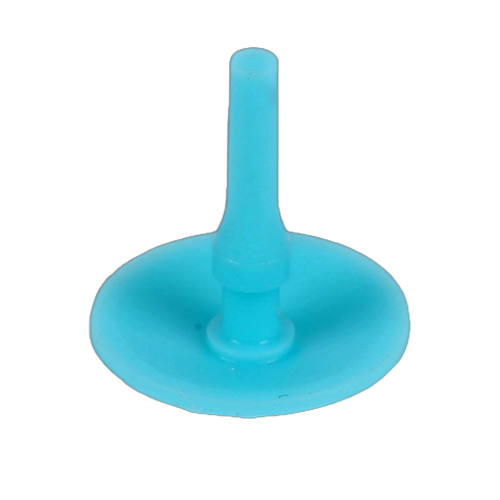
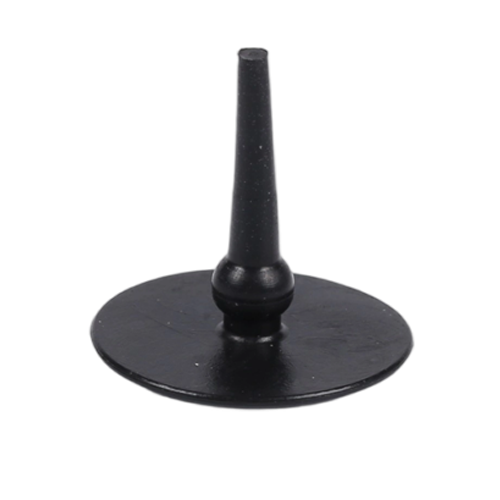
| Related product recommendations:Click to view details |
 |
 |
 |
SCOPE OF SUPPORT
AVAILABLE TECHNICAL RESOURCES
Tel: 86-86-07523739636
Whatsapp: +86 15976889589
Address: Wanli Industrial Zone, Zhenlong Town, Huiyang District, Huizhou, Guangdong China
Privacy statement: Your privacy is very important to Us. Our company promises not to disclose your personal information to any external company with out your explicit permission.
Fill in more information so that we can get in touch with you faster
Privacy statement: Your privacy is very important to Us. Our company promises not to disclose your personal information to any external company with out your explicit permission.